Introduction
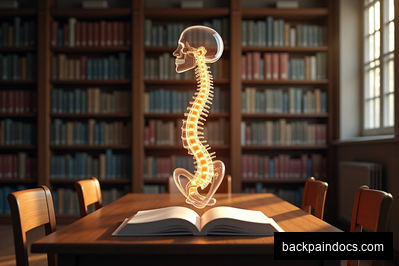
The human spine, often referred to as the backbone, is a complex structure that serves as the main support system of our body. It plays a crucial role in enabling movement and protecting the spinal cord - a key part of the central nervous system. Its unique design and composition allow us to perform a wide range of physical activities, from simple movements like bending and twisting to complicated gymnastic maneuvers.
Understanding the anatomy of the spine can be beneficial for everyone, not just medical professionals. It can help us comprehend the root causes of back pain, improve our posture, and even enhance our physical performance. In this blog post, we will delve into the fascinating structure of the spine, demystifying its components and functions for the layman.
In this introductory exploration of the human spine, it is crucial to delve deeper into its remarkable design and functionality. Beyond its role as a structural support for the body, the spine houses the spinal cord, a vital component of the central nervous system. This intricate network of nerves allows for the transmission of electrical signals that control various bodily functions, emphasizing the spine's importance beyond mere physical support.
Anatomy of the Spine
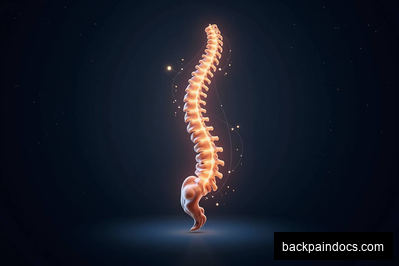
The spine is made up of 33 individual bones called vertebrae, which are stacked one on top of the other to form a flexible column. These vertebrae are grouped into different regions: the cervical (neck), thoracic (chest), lumbar (lower back), sacral (pelvic), and coccygeal (tailbone) area. Each region has a specific number of vertebrae and unique characteristics to support different body functions and movements.
For instance, the cervical spine consists of seven vertebrae and allows for the highest degree of movement, including neck rotation. Meanwhile, the thoracic spine, made up of 12 vertebrae, has limited mobility due to the presence of the rib cage but provides essential protection for the heart and lungs.
Aside from providing structural support, the spine plays a crucial role in protecting the delicate spinal cord. This complex network of nerves transmits messages between the brain and the rest of the body, allowing for movement and sensation. Each region of the spine - cervical, thoracic, lumbar, sacral, and coccygeal - has distinct characteristics and functions. For example, the lumbar region, located in the lower back, bears the most body weight and is prone to injury due to its flexibility and range of motion.
Vertebrae and Intervertebral Discs
Each vertebra in the spine has a robust and complex structure. It consists primarily of the vertebral body, which bears most of the body's weight, and the vertebral arch, which forms a protective ring around the spinal cord. There are also several protrusions for muscle and ligament attachments and vertebral joints for movement.
Sandwiched between each pair of vertebrae are intervertebral discs that act as shock absorbers, preventing bone-on-bone contact during movement. These discs consist of a tough outer ring, the annulus fibrosus, and a jelly-like core, the nucleus pulposus, which provide flexibility and cushioning to the spine.
The intervertebral discs, crucial components nestled between each vertebra, play a pivotal role in spinal function. These discs act as shock absorbers, cushioning the vertebrae during movement and weight-bearing activities. Comprised of a tough outer layer called the annulus fibrosus and a gel-like inner core known as the nucleus pulposus, these discs enable flexibility while maintaining structural integrity. For instance, when pressure is exerted on the spine, the discs distribute the load evenly across the vertebral column, preventing excessive wear and tear on individual vertebrae.
Spinal Cord and Nerves
The spinal cord, housed within the protective vertebral column, is the primary pathway for transmitting information between the brain and the rest of the body. At each vertebral level, pairs of spinal nerves exit the spinal cord and branch out to innervate specific areas of the body, allowing for sensation and motor control.
An injury or disorder affecting the spinal cord or these nerves can result in a range of symptoms, from mild discomfort to debilitating conditions, such as paralysis. For example, a herniated disc - a condition where the nucleus pulposus leaks out and presses against a nerve - can cause severe pain, weakness, or numbness in the areas served by the affected nerve.
Apart from its role in transmitting sensory information and motor signals, the spinal cord is also crucial for reflex actions. For instance, the knee-jerk reflex, where tapping the knee causes an involuntary leg kick, showcases the rapid communication between the nerves and the spinal cord. This reflex arc involves sensory neurons carrying the signal to the spinal cord, which immediately sends a motor response back, bypassing the brain. Understanding these intricate processes highlights the spinal cord's intricate functions beyond being a mere conduit for nerve signals.
Maintaining Spinal Health
Maintaining spinal health is essential for overall well-being. Regular exercise, specifically strength training and flexibility exercises, can help maintain the health of the spine by strengthening the muscles that support it and keeping the intervertebral discs and joints healthy. Good posture, both when standing and sitting, can also help prevent strain and injury.
Conversely, poor habits such as sedentary lifestyle, incorrect lifting techniques, and inadequate nutrition can negatively impact spinal health, leading to conditions like osteoporosis, disc degeneration, and back pain. Therefore, cultivating good habits and seeking professional advice when necessary can greatly contribute to maintaining a healthy spine.
In addition to regular exercise, incorporating proper ergonomics into daily activities is paramount for maintaining spinal health. This includes ensuring your workstation is ergonomically set up to prevent strain on the spine, using a supportive chair that promotes good posture, and taking frequent breaks to stretch and move. Furthermore, practicing good sleeping habits, such as using a supportive mattress and pillows, can significantly reduce the risk of spinal issues. By combining exercise with ergonomic practices and healthy lifestyle choices, you can proactively safeguard your spinal health for the long term.
Conclusion
The spine is an intricate structure that plays a vital role in our overall health and mobility. Understanding its anatomy can help us appreciate its importance and take steps to maintain its health. The complexity of the spine underscores the need for us to take care of it, as even minor issues can lead to significant discomfort and impairment.
While it's essential to practice good habits for spinal health, remember to consult a healthcare professional if you experience persistent or severe back pain. Early diagnosis and treatment can prevent further complications and help you maintain a healthy, active lifestyle.
In conclusion, understanding the importance of maintaining a healthy spine is crucial for preventing various health issues such as back pain, poor posture, and limited mobility. By incorporating regular exercise routines that focus on strengthening core muscles and practicing proper ergonomics in daily activities, individuals can significantly improve their spinal health. Additionally, seeking professional guidance from a chiropractor or physical therapist can provide personalized strategies for maintaining a strong and flexible spine. Remember, a proactive approach to spine care can lead to a better quality of life and overall well-being.