
Introduction
Ergonomics is a science that seeks to create safe, comfortable, and efficient working environments. It is particularly crucial concerning our back health, given the rising incidence of work-related musculoskeletal disorders. According to data from the Bureau of Labor Statistics, these disorders account for 33% of all worker injury and illness cases. By focusing on ergonomics at work, we can significantly reduce the risk of back injuries and improve our overall wellbeing.
This article explores the importance of proper posture and ergonomic equipment in protecting your back at work. We will delve into the science of ergonomics, practical applications, and how the right approaches can save you from chronic back pain and associated health complications.
As we delve deeper into the realm of ergonomics, it becomes evident that the concept goes beyond just creating a comfortable workspace. The Introduction section merely scratches the surface of the multifaceted nature of ergonomics. For instance, it not only considers the physical aspects of a workstation, such as chair design and desk height but also delves into the psychological and cognitive aspects of human performance. Understanding how lighting, noise levels, and even color schemes can impact productivity and well-being is a crucial aspect of ergonomic design.
Moreover, the Introduction section hints at the importance of ergonomics in preventing work-related injuries and enhancing overall efficiency. By implementing ergonomic principles, businesses can reduce absenteeism due to health issues, boost employee morale, and ultimately improve their bottom line. It is clear that ergonomics is not just a concept but a strategic approach that can revolutionize the way we work and interact with our environment.
Understanding the Role of Proper Posture
Posture refers to how we hold our bodies while we are standing, sitting, or performing tasks. Proper posture aligns the body in such a way that the least amount of strain is placed on muscles and ligaments. Poor posture, on the other hand, can lead to back pain and musculoskeletal disorders. A study published in the Journal of Physical Therapy Science showed that poor posture while sitting can increase pressure on the lumbar discs, leading to low back pain.
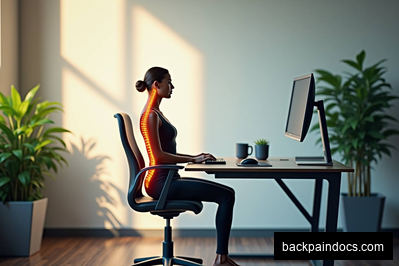
Maintaining proper posture at work involves several steps. First, ensure that your workstation is set up correctly. Your monitor should be at eye level, and your keyboard and mouse should be within easy reach. Your feet should be flat on the floor, and your back should be fully supported by the chair. Regular breaks and stretches are also important to prevent muscle fatigue and stiffness.
Understanding the role of proper posture goes beyond just physical appearance. It significantly impacts our overall health and well-being. Maintaining good posture can alleviate common issues like back and neck pain, improve circulation, and even boost our mood and confidence levels. For example, sitting with a straight spine while working at a desk not only prevents strain on the back muscles but also ensures optimal blood flow to the brain, enhancing focus and productivity.
Moreover, proper posture plays a vital role in preventing long-term musculoskeletal problems. By being mindful of how we sit, stand, and move throughout the day, we can reduce the risk of developing conditions such as kyphosis or scoliosis. Investing in ergonomic furniture and taking regular breaks to stretch and readjust our posture can make a significant difference in our overall health and quality of life. Remember, good posture is not just a habit; it's a cornerstone of a healthy lifestyle.
The Importance of Ergonomic Equipment
Ergonomic equipment is designed to promote good posture, reduce discomfort, and prevent injuries. The use of such equipment has been shown to reduce the risk of musculoskeletal disorders significantly. A study by the Center for Ergonomics at the University of Michigan found that the introduction of ergonomic chairs reduced the incidence of musculoskeletal disorders by 17% over four years.
Ergonomic chairs, for example, are designed to provide proper lumbar support, promote good posture, and reduce the risk of back pain. They are adjustable, allowing each user to customize the height, backrest angle, and armrest position. Standing desks, too, can alleviate back strain by allowing users to alternate between sitting and standing. Ergonomic keyboards and mice can reduce the strain on the wrists and hands, potentially preventing conditions like carpal tunnel syndrome.
In today's modern workplace, the importance of ergonomic equipment cannot be overstated. Beyond just promoting good posture and preventing discomfort, these specialized tools contribute significantly to overall productivity and employee well-being. Take, for example, ergonomic chairs that provide lumbar support and adjustable features to customize seating positions. By investing in such equipment, employers showcase a commitment to the health and comfort of their staff, leading to higher job satisfaction and lower absenteeism rates.
Furthermore, ergonomic keyboards and mice are essential components that not only enhance comfort but also reduce the risk of repetitive strain injuries like carpal tunnel syndrome. These tools are designed to support natural hand positions and minimize strain during prolonged computer use, ultimately boosting efficiency and minimizing the likelihood of work-related injuries. In essence, the strategic integration of ergonomic equipment in the workplace is not just a matter of convenience but a proactive measure towards creating a healthier, more productive work environment for all.
Pros and Cons of Ergonomic Approaches
Ergonomic interventions have significant benefits. They promote good health, reduce the risk of injury, increase comfort, and can even enhance productivity. For instance, a study in the Journal of Occupational and Environmental Medicine found that ergonomic interventions could increase productivity by 17%.
However, there are potential downsides too. Ergonomic equipment can be expensive, and not all businesses may be willing or able to invest in it. Furthermore, ergonomic adjustments alone may not be sufficient to prevent back pain. They must be combined with other strategies, such as regular breaks, exercises, and a healthy lifestyle.
While ergonomic approaches offer numerous benefits, it's crucial to consider both their pros and cons for a well-rounded perspective. On the positive side, ergonomic interventions not only enhance productivity by reducing discomfort and fatigue but also foster a healthier work environment. Employees who benefit from ergonomic setups often experience fewer musculoskeletal issues, leading to higher job satisfaction and lower absenteeism rates.
However, it's essential to be mindful of the potential drawbacks. For instance, some ergonomic solutions may require significant upfront investment in specialized furniture or equipment. Moreover, implementing ergonomic changes across an organization can sometimes face resistance from employees accustomed to traditional setups. Balancing the advantages and disadvantages of ergonomic approaches is key to successfully integrating these practices into the workplace while maximizing their overall impact on employee well-being and performance.
Expert Perspectives and Industry Insights
Leading experts in the field of ergonomics stress the importance of a comprehensive approach to back health at work. Dr. Alan Hedge, a professor of ergonomics at Cornell University, states, "Ergonomics isn't just about equipment, it's about understanding how our work affects us and what we can do to stay healthy." This includes factors like stress management, diet, and exercise, along with ergonomic adjustments.
Many industries have embraced ergonomics as a way to protect worker health and increase efficiency. For example, in the automotive industry, companies like Toyota have implemented ergonomic solutions to reduce the physical strain on their workers. This has resulted in a significant reduction in work-related injuries and improved productivity.
Delving deeper into expert perspectives and industry insights reveals a fascinating trend in the field of cybersecurity. Leading authorities emphasize the critical role of proactive threat intelligence gathering to stay ahead of cyber threats. For instance, industry experts cite the growing importance of leveraging AI and machine learning algorithms to predict and prevent cyber attacks before they occur. This insightful approach not only enhances cybersecurity defenses but also underscores the value of staying abreast of emerging technologies and strategies.
Moreover, within the realm of sustainability, experts provide valuable insights into the evolving landscape of green practices in manufacturing. Industry leaders advocate for a holistic approach that integrates eco-friendly initiatives throughout the supply chain. For example, companies are increasingly adopting circular economy principles that promote resource efficiency and waste reduction. These expert perspectives shed light on the transformative power of sustainable practices in driving both environmental stewardship and business success.
Conclusion
In conclusion, ergonomics plays a vital role in protecting our backs at work. The right posture and ergonomic equipment can significantly reduce the risk of back injuries and improve our overall comfort and productivity. However, it is important to remember that these measures should be part of a comprehensive approach to health and wellbeing, including regular exercise, proper nutrition, and stress management.
We all owe it to ourselves to prioritize our health at work. By understanding and applying the principles of ergonomics, we can create a safer, healthier, and more productive working environment. So, let's start today and make a significant difference to our working lives!
In conclusion, while focusing on ergonomics is crucial for maintaining good posture at work, it's also important to consider other factors that contribute to overall well-being in the workplace. For instance, incorporating regular breaks to stretch and move around can further alleviate strain on the back and prevent stiffness. Additionally, investing in adjustable office furniture, such as height-adjustable desks and ergonomic chairs, can greatly enhance comfort and support throughout the workday.
Furthermore, promoting a culture of mindfulness and self-care within the workplace can reinforce the importance of proper ergonomics practices. Encouraging employees to prioritize their physical health and well-being not only benefits their individual productivity but also fosters a positive work environment. Ultimately, by combining ergonomic principles with holistic wellness initiatives, organizations can create a work setting that prioritizes the health and comfort of their employees, leading to improved performance and satisfaction.